What Are the Main Types of Valves? A Simple Overview
Valves are essential components in pipeline systems used to control the flow, direction, and pressure of fluids. They can be classified in several practical ways. Here’s a clear and concise guide to the most common valve categories.

1. Classification by Function
- On/Off (Isolation) Valves: Used to fully open or close the pipeline, such as gate valves, globe valves, ball valves, and butterfly valves.
- Control (Regulating) Valves: Used to adjust flow rate or pressure.
- Check Valves: Prevent reverse flow of the medium.
- Safety Valves: Automatically release pressure when it exceeds the set limit to protect the system.
- Diverting Valves: Used to distribute or mix media, such as 3-way or 4-way valves.
2. Classification by Structure (Most Common)
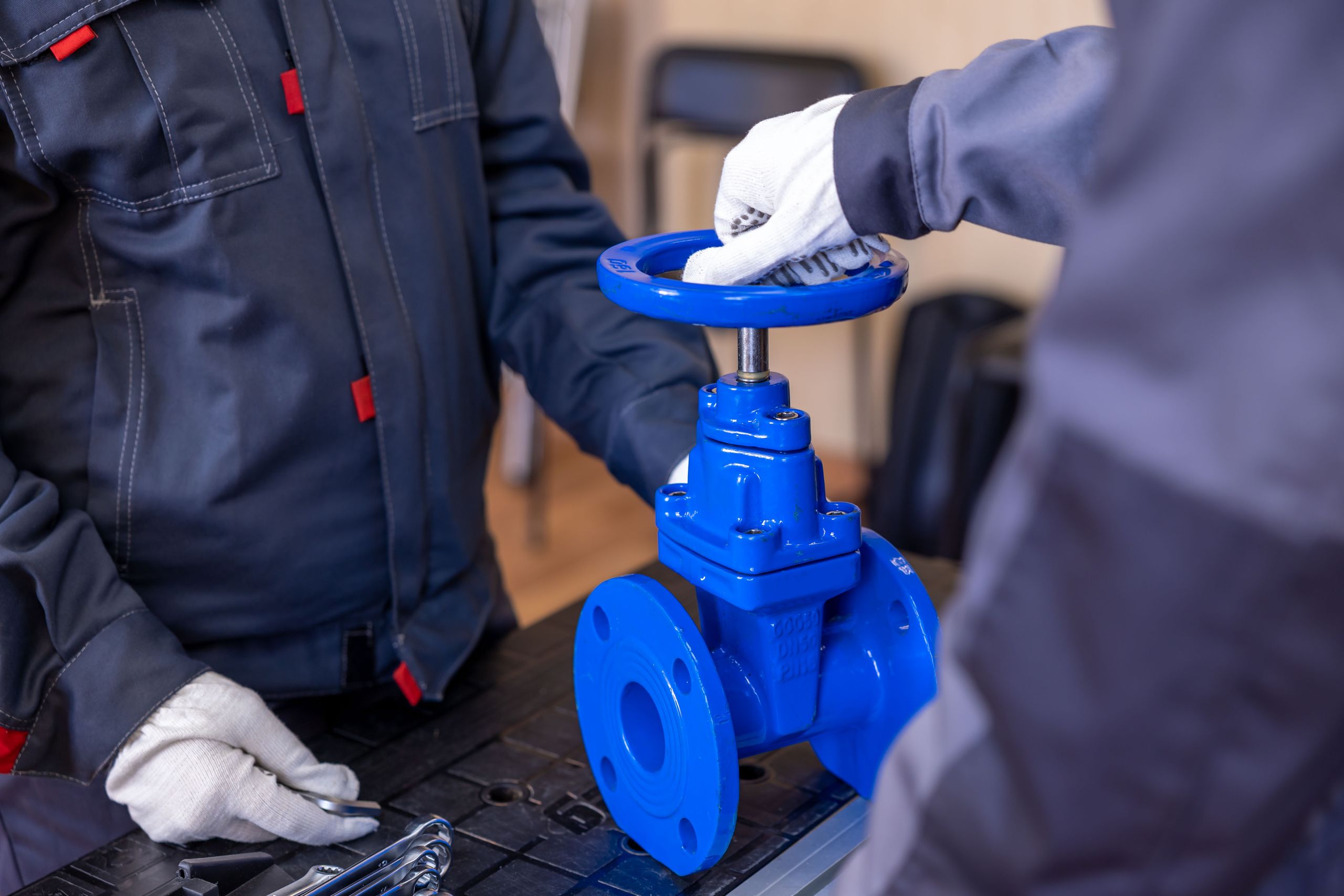
- Gate Valve: Uses a rising or non-rising gate to start or stop flow. Low flow resistance, suitable for large sizes.
- Globe Valve: Uses a disc that moves up and down. Good sealing performance but higher pressure drop.
- Ball Valve: Uses a rotating ball with a bore. Fast operation and reliable sealing.
- Butterfly Valve: Uses a rotating disc. Compact, lightweight, and ideal for large-diameter applications.
- Diaphragm Valve: Uses a flexible diaphragm to isolate the medium. Suitable for corrosive or slurry services.
- Plug Valve: Uses a cylindrical or conical plug to control flow. Simple structure.
3. Classification by Operation Method
- Manual valves (lever, handwheel, or gear-operated)
- Electric valves
- Pneumatic valves
- Hydraulic valves
- Automatic valves (such as check valves and safety valves that operate by medium pressure)
4. Classification by Pressure Rating
- Vacuum valves
- Low-pressure valves
- Medium-pressure valves
- High-pressure valves
- Ultra-high-pressure valves
In practice, valve selection usually starts with the required function and structure, then considers pressure, temperature, medium, and actuation method. Understanding these basic classifications helps you read product specifications more accurately and communicate your requirements more clearly when purchasing.