How to Tell the Quality of a Valve: A Practical Guide
Not all valves are created equal. Low-quality valves may look similar on the surface but often fail early through leakage, sticking, or breakage. Here’s a clear and practical way to judge valve quality before purchase or installation.
1. Check the Appearance and Casting Quality
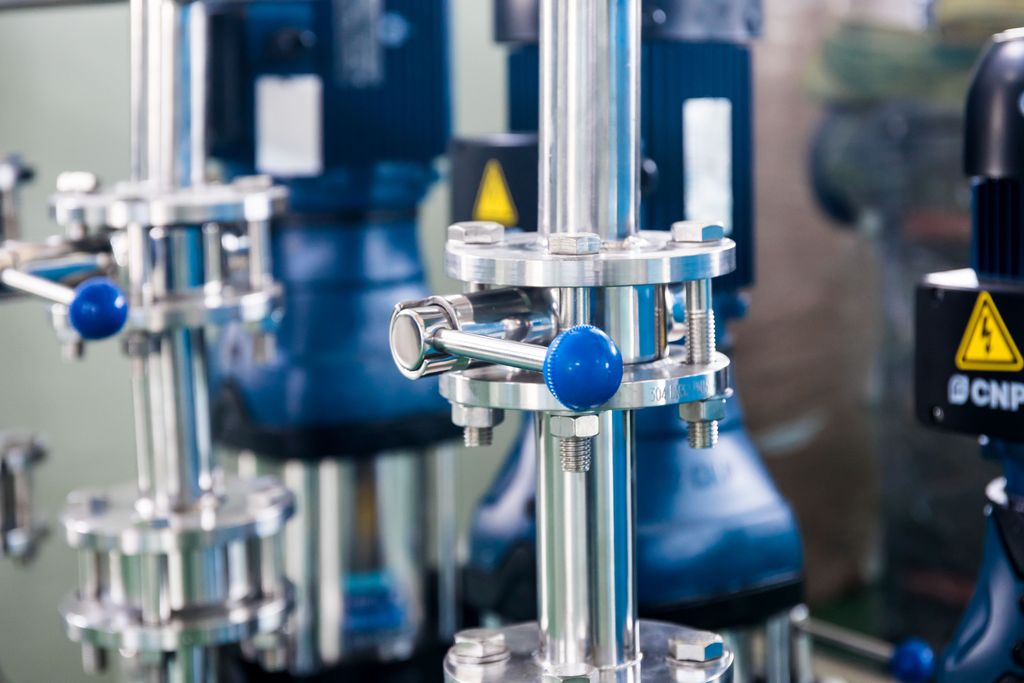
- Surface should be smooth and even, without obvious sand holes, cracks, or rough patches.
- Lettering and markings (size, pressure rating, material) should be clear and permanent, not easily wiped off.
- Flange faces or sealing surfaces should be flat and free of deep scratches.
Poor casting usually indicates lower-grade materials or rushed production.
2. Verify Material and Markings
- Look for clear material identification (e.g., WCB, CF8, CF8M, SS304, SS316).
- Ask for material certificates (EN 10204 3.1 or equivalent) for critical applications.
- Be cautious of valves that only have painted or stick-on labels with no permanent markings.
3. Examine Machining and Assembly Precision
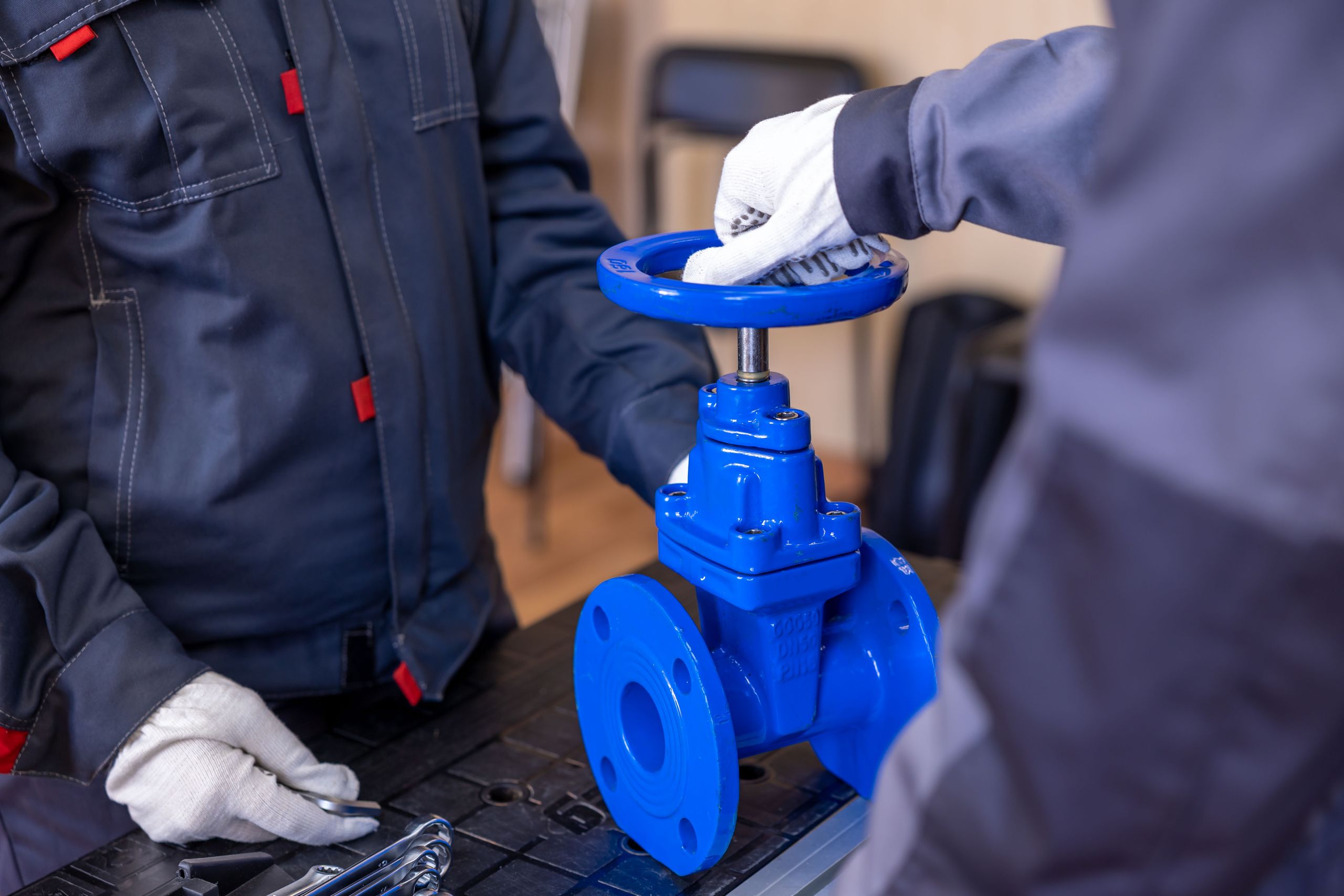
- Stem should turn smoothly without excessive play or tightness.
- Ball or disc should align properly with the seats.
- Bolts and nuts should be of consistent quality and properly tightened.
- No visible gaps or misalignment between body parts.
4. Evaluate Sealing Performance
- Soft-seated valves should show clean, undamaged seats.
- Metal-seated valves should have precise contact surfaces.
- Ask whether the valve has been tested to standards such as API 598, ISO 5208, or EN 12266.
- Low-quality valves often skip proper pressure and seat leakage tests.
5. Consider Weight and Feel
Within the same size and pressure class, a noticeably lighter valve may use thinner walls or lower-grade materials. While not a definitive test, extreme weight differences can be a warning sign.
6. Check Brand, Certification, and Documentation
- Reputable manufacturers usually provide clear nameplates, test reports, and operation manuals.
- Look for relevant certifications (ISO 9001, API 6D, CE, SIL, fire-safe, etc.) when the application requires them.
- Complete documentation is often a sign of better quality control.
Quick Quality Checklist
- Smooth casting with clear permanent markings
- Correct material identification and certificates available
- Smooth stem operation and precise assembly
- Evidence of proper pressure and leakage testing
- Consistent weight for the size and class
- Reliable brand with supporting documents
A good-quality valve may cost more upfront but reduces leakage risk, maintenance frequency, and unplanned downtime. When in doubt, request test reports and material certificates rather than relying only on appearance or price.