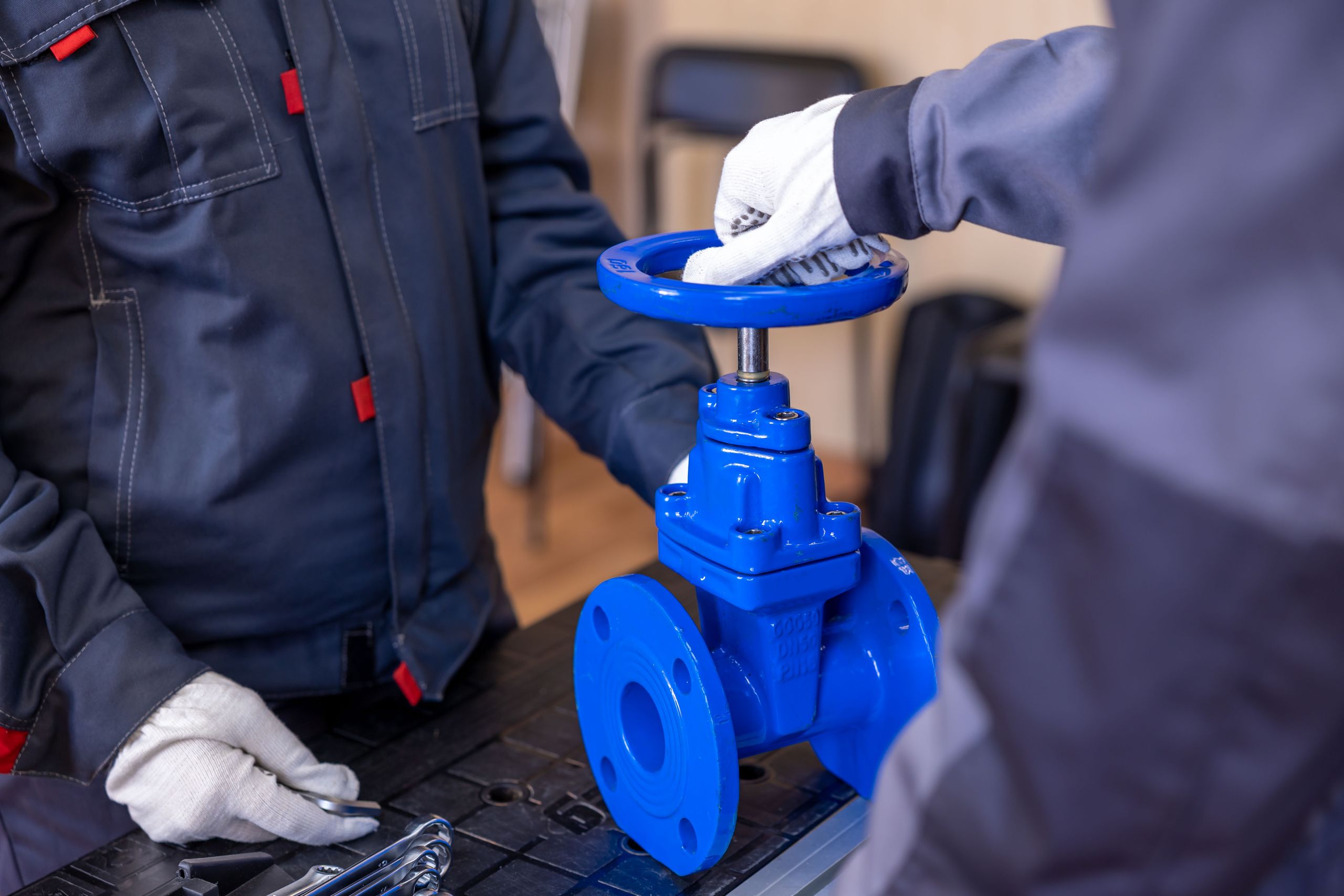
How to Write Effective B2B Valve Inquiries That Get Faster Replies
In the valve industry, a clear and professional inquiry can mean the difference between a quick, accurate quote and delayed or incomplete responses. Many B2B buyers send vague messages that force suppliers to ask multiple follow-up questions. Here’s how to write valve inquiries that save time and improve results.
1. Start with the Essential Technical Details
Always include the core specifications in your first message:
- Valve type (ball valve, butterfly valve, gate valve, etc.)
- Size (DN or NPS)
- Pressure rating (PN or Class)
- Body and trim materials
- Seat/seal material
- End connection (flanged, wafer, threaded, welded)
- Medium, temperature, and working pressure
- Quantity and required delivery time
The more complete these details are, the faster and more accurate the quotation will be.
2. Clarify Application and Special Requirements
Mention the operating conditions and any special needs:
- Industry or application (oil & gas, chemical, water treatment, etc.)
- Fire-safe, anti-static, fugitive emission, or SIL requirements
- Preferred standards (API, ASME, ISO, EN, etc.)
- Actuation needs (manual, pneumatic, electric)
- Certification or test report requirements
This helps suppliers recommend the right product instead of guessing.
3. Be Clear About Commercial Terms
To avoid unnecessary back-and-forth, state:
- Target price level or budget range (if possible)
- Preferred payment terms
- Destination port or delivery location
- Whether you need samples or drawings first
4. Keep the Message Professional and Structured
Use a clean format with bullet points or numbered lists. Avoid long paragraphs. A well-structured inquiry shows you are a serious buyer and encourages suppliers to prioritize your request.
Quick Inquiry Checklist
- Valve type, size, and pressure rating listed
- Materials and connection type specified
- Medium, temperature, and pressure described
- Quantity and delivery expectation stated
- Special standards or certifications mentioned
- Contact person and company information included
A precise B2B valve inquiry reduces communication rounds, improves quote accuracy, and helps you receive better offers faster. Whether you are a trader or an end user, investing a few extra minutes in a clear inquiry usually pays off in both time and cost.