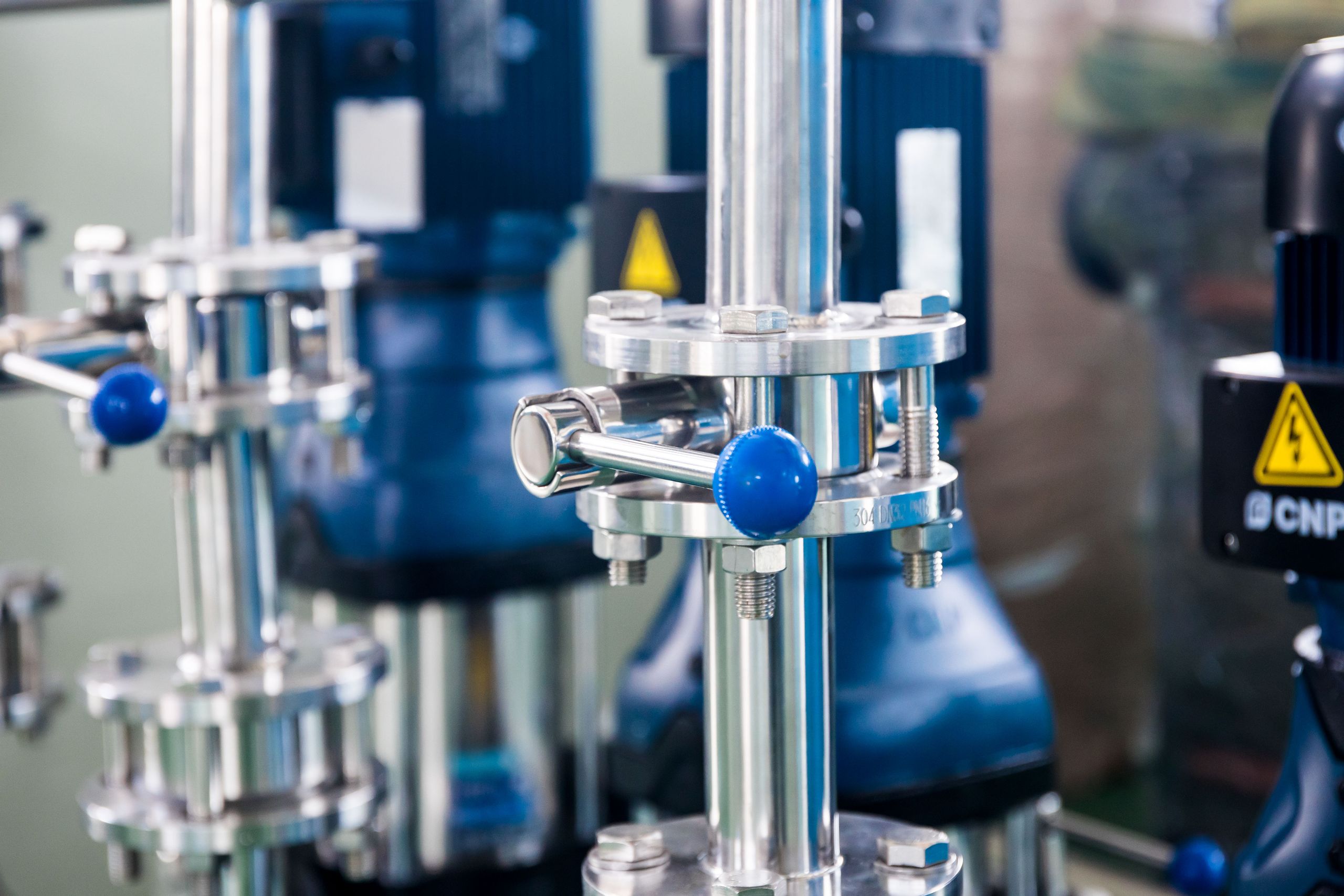
Butterfly Valve Selection Guide
Butterfly valves are widely used in pipeline systems due to their simple structure, quick operation, and cost-effectiveness. Choosing the right one helps avoid leakage, sticking, and premature failure. Here’s a concise and practical selection guide.
1. Understand the Main Types
- Concentric (Midline) Butterfly Valve: Simple and economical. Ideal for low-pressure, ambient-temperature applications such as water supply and HVAC.
- Double-Eccentric Butterfly Valve: Better sealing performance. Suitable for medium-pressure conditions.
- Triple-Eccentric Butterfly Valve: Metal-seated hard seal. Designed for high-temperature and high-pressure services like steam and oil & gas.
Connection types: Prefer wafer style for space-saving or flanged style for higher reliability.
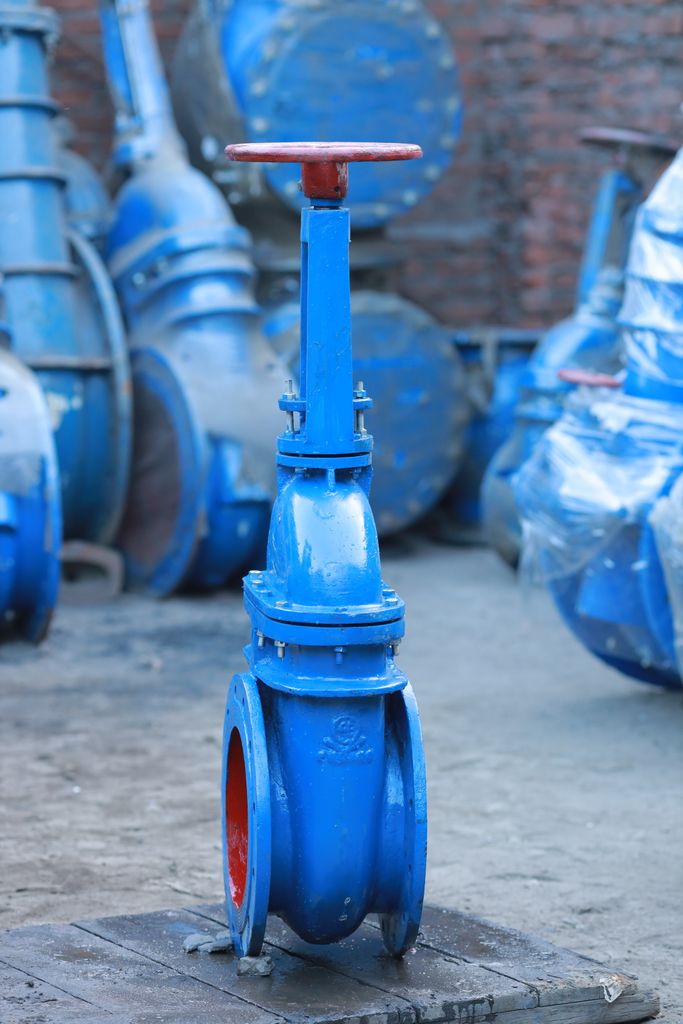
2. Key Selection Parameters
- Size & Pressure Rating: Match the pipe diameter. Pressure rating must be equal to or higher than the system’s maximum working pressure.
- Material Compatibility:
- Clean water / air: Cast iron or ductile iron with rubber seat
- Mildly corrosive / seawater: Stainless steel 304/316
- Highly corrosive: PTFE-lined or full stainless steel
- High-temperature steam: Carbon steel / alloy steel with metal seat
- Seat Type: Soft seats (rubber/PTFE) offer tight shut-off and low torque; hard seats handle high temperature and pressure.
- Actuation: Manual, pneumatic, or electric. Ensure the actuator provides sufficient torque with a safety margin.
3. Quick Application Recommendations
- Water supply & HVAC: Wafer-type concentric soft-seated butterfly valve
- Chemical / corrosive media: PTFE-lined or stainless steel butterfly valve
- High-temperature steam: Triple-eccentric hard-seated butterfly valve
- Food & pharmaceutical: Hygienic stainless steel butterfly valve
4. Selection Checklist
- Size, pressure, temperature, and media confirmed
- Body and seat materials compatible with the media
- Connection type matches the pipeline
- Actuator torque is adequate
- Basic certifications available from the manufacturer
Follow these points to select a suitable butterfly valve. For complex operating conditions, provide full process parameters to the supplier for confirmation.